
Aug 4, 2026Lately News
The End of EU €150 Parcel Duty Exemption: How This Policy Reshapes Cross-Border Trade
Starting July 1, 2026, the EU abolished the historic €150 customs duty exemption for imported parcels. Learn the policy details, business impacts, and viable solutions
The End of EU €150 Parcel Duty Exemption: How This Policy Reshapes Cross-Border Trade
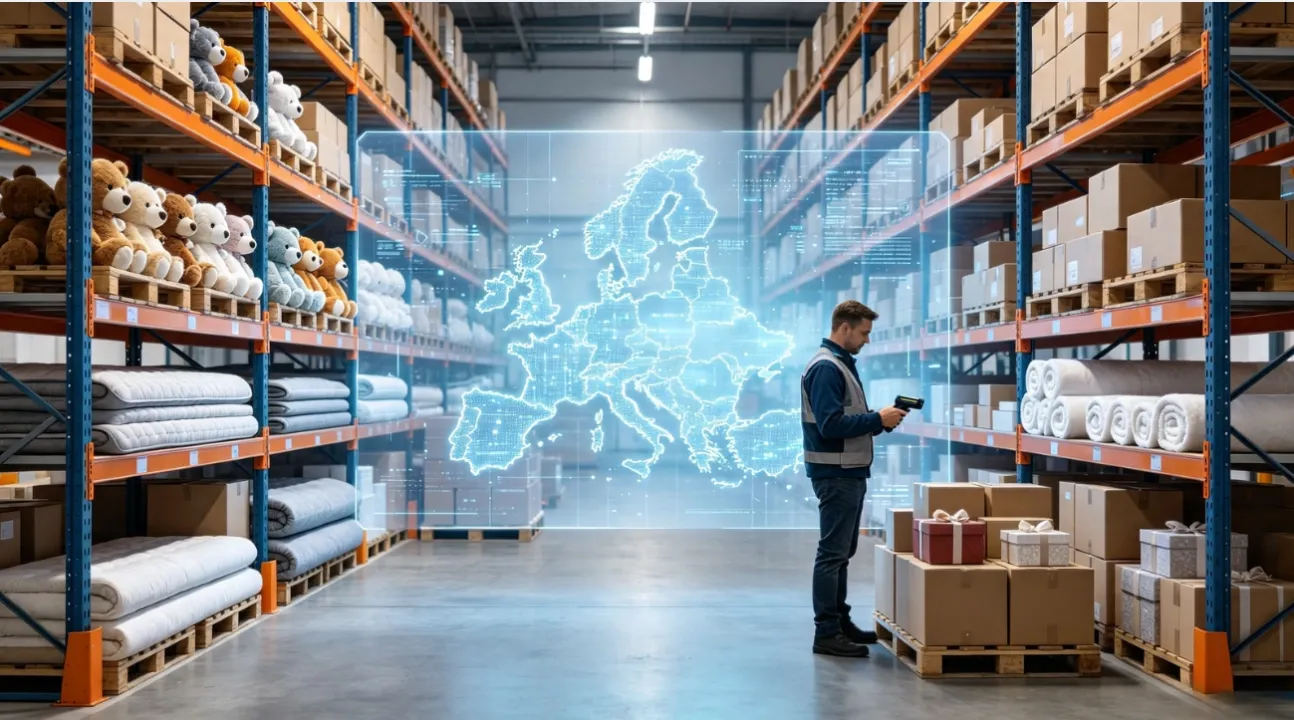
A landmark customs reform officially took effect across the European Union on July 1, 2026. The long-standing €150 customs duty exemption for low-value imported parcels has been completely removed. For decades, cross-border merchants relied on this rule to run affordable direct-to-consumer shipping to EU buyers. Today, the low-cost small-parcel business model faces unprecedented challenges.If you export plush toys, bedding, gifts and home goods to Europe, this policy shift cannot be ignored. In this guide, we break down the core rules, market impacts, and sustainable strategies to keep your EU business profitable.
What Exactly Has Changed?
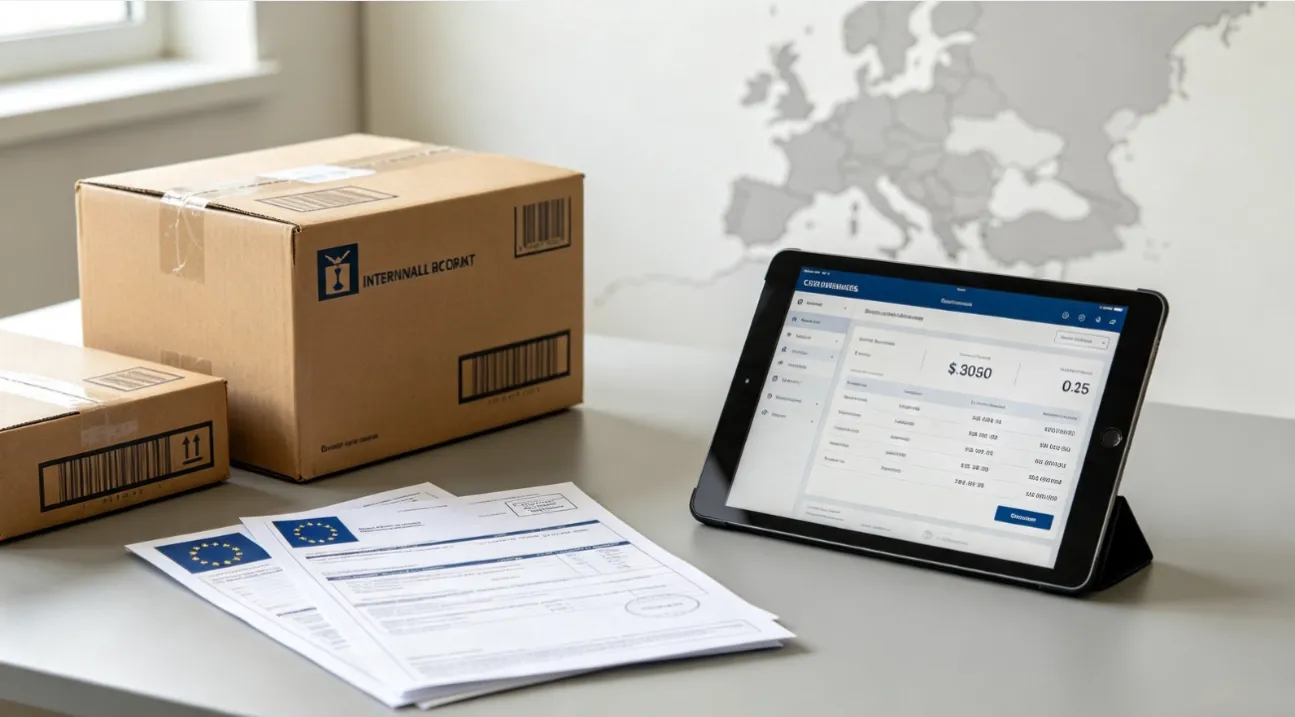
Before 1 July 2026:Consignments valued under €150 imported into the EU were exempt from customs duties. Only import VAT needed to be declared and paid. This was the foundation of countless low-price cross-border direct shipping businesses.Current Policy (Transition Period: July 1, 2026 – July 1, 2028):No more duty exemption for goods below €150.A temporary flat €3 customs duty will be charged per HS commodity category inside every B2C parcel under €150.
Critical reminder: This fee is charged by product category, not per parcel. If one package contains plush toys and mattresses (two different HS codes), you pay €3 × 2 = €6. Multiple items of the same product category only trigger one €3 charge.
After 2028:The temporary flat rate will be replaced by standard commodity-specific tariffs. All imported goods, regardless of value, will follow formal customs tariff rules.Additional compliance requirements will roll out in November 2026, including mandatory Product Identifier (PID) tracking for imported consumer goods.
Who Suffers the Biggest Impact?
- Low-unit-price sellers (under €30)For products priced between €10–€25, an extra €3 duty pushes costs up sharply. Thin profit margins are easily wiped out. Many small merchants are forced to raise retail prices or withdraw from the EU direct-shipping market. This heavily affects budget plush toys, small home accessories and low-end bedding.
- Merchants mixing multiple different products in one parcelCombined shipments with various categories trigger multiple €3 duty fees, rapidly increasing logistics overhead.
- Pure direct shipping (Dropshipping / Air parcel) operatorsThe cost advantage of China-based direct delivery has weakened dramatically. Consumers are less willing to accept higher final prices.
Relatively less affected:Mid-to-high value goods above €80. The €3 duty accounts for a tiny percentage of total value. Brands with strong product positioning and premium experience can absorb or pass on costs more easily.
Three Major Trends Reshaping EU Cross-Border Business
1. Direct small parcel low-price model declines
Many sellers stop listing low-margin SKUs for EU markets. Random mixed-product consignments become economically unviable.
2. EU overseas warehouse fulfillment becomes mainstream
B2B bulk shipping to European warehouses follows formal large cargo customs clearance rules. Bulk import tariffs are far cheaper than cumulative small-parcel charges. Local delivery avoids the new B2C parcel duties entirely, with faster delivery times to attract buyers.
3. Market competition shifts from "cheap price" to "product value"
Price-only competition is no longer sustainable. Merchants who focus on original design, premium material quality and brand emotional value gain stronger bargaining power. This creates great opportunities for high-quality plush toys, customized mattresses and gift products.
Practical Solutions for Global Buyers & Suppliers
- Optimize parcel packing strategy Group identical-category goods into one shipment. Avoid mixing different HS-coded items to prevent stacked €3 duties.
- Adjust product portfolio Eliminate SKUs with extremely low profit. Develop upgraded, higher-value goods with sufficient margin space to cover extra customs costs.
- Shift order mode: Prioritize bulk wholesale orders B2B container bulk orders enjoy better tariff efficiency compared to scattered individual B2C parcels.
- Plan EU overseas warehousing layout Stock best-selling products locally to improve delivery speed and cut long-term customs risks.
-
Stable Bulk Supply Support from FOMECION GROUP
The new EU customs environment means businesses need smarter supply chain partners.At FOMECION GROUP, we specialize in wholesale mattresses, customized plush toys and gift products for global EU clients. We understand the challenges brought by the EU customs reform.We support flexible bulk container orders, tailored product upgrades and private-label development. Whether you source hybrid mattresses, foam bedding, healing plush dolls or seasonal gift sets, we help you build high-value product lines suitable for the European market.We assist customers to optimize product classification and packing plans to reduce customs overhead. If you are shifting from small-parcel retail to stable wholesale business, our standardized mass production can match your long-term European market layout.
Final Conclusion
The cancellation of the €150 duty exemption marks the end of an era for cross-border e-commerce. Simple low-price, small-parcel reselling will no longer work in the EU.Businesses that survive and thrive will rely on premium products, reasonable supply chain planning and clear brand positioning.If you plan to adjust your European product lineup or seek reliable bulk suppliers for mattresses and plush toys, contact FOMECION GROUP to discuss customized solutions for your market.