Oct 28, 2026plushies
Why Is Jellycat So Popular? A Closer Look at Plush Quality
Explore why Jellycat is so popular and how Fomecion Group approaches premium custom plush toys through soft fabrics, careful stitching, and sample development.
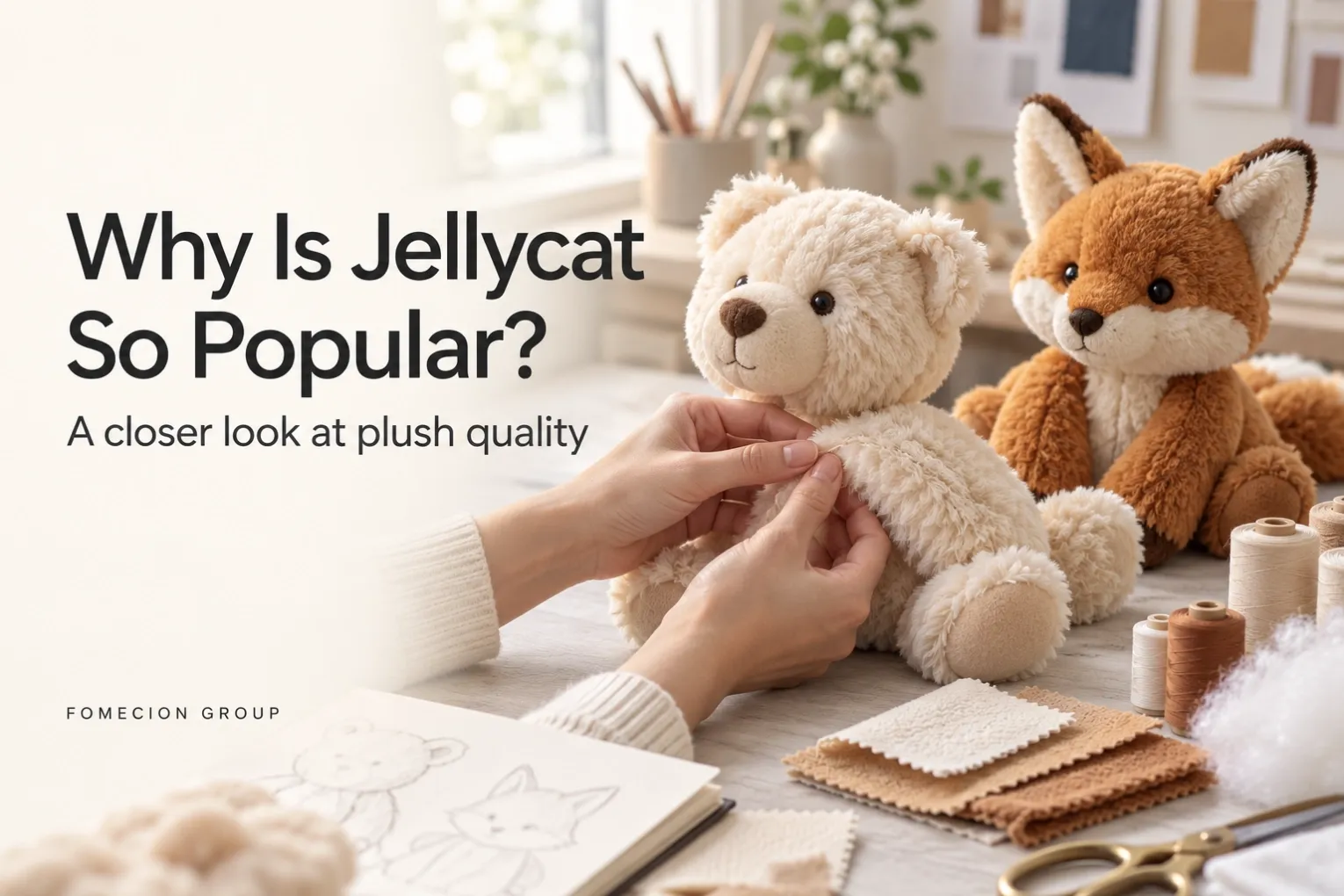
You can often tell when someone has found a plush toy they like. They pick it up, run a hand over the fabric, give it a squeeze—and keep holding it while they look around.
Jellycat understands that moment.
Its unusual characters attract attention, but appearance is only part of the appeal. The softness, the way a toy sits in your hands, and the small details of its expression all contribute to the experience.
For brands developing their own plush collections, this raises a useful question: how do you create that level of care in an original product?
At Fomecion Group, we can develop custom plush toys with the soft feel and careful workmanship customers associate with premium brands such as Jellycat. We work through fabric selection, construction, filling, and sample revisions to achieve the finish your project needs.
Why People Connect With Jellycat
Jellycat gives familiar things a little personality. A rabbit might look especially gentle. A food character might be funny without needing an explanation.
The brand also places considerable emphasis on materials and the experience of holding its toys. Its own story describes softness, expression, and physical feel as parts of what makes its characters special. Read Jellycat’s brand story.
Gift-giving and collecting add further appeal. Kantar’s analysis identifies gifting occasions, collectible designs, and memorable retail experiences as contributors to the brand’s growth. Read Kantar’s analysis.
Our view is that these elements reinforce one another. The character makes someone curious; the physical product gives them a reason to take it home.
Softness Starts With the Right Fabric
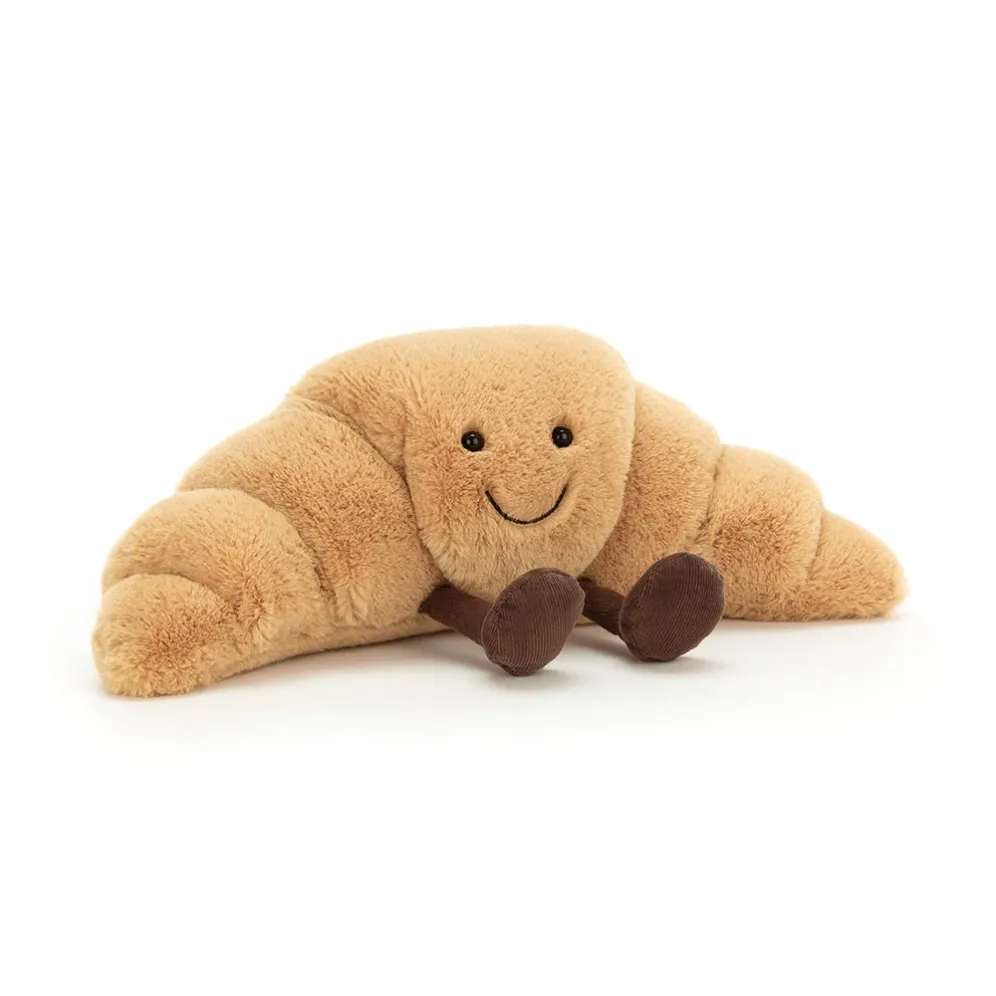
“Soft” is a useful starting point, but it is not a complete material specification.
A short, dense plush feels different from a long, silky pile. Fabric backing, pile direction, and the way the material behaves around a seam can change the finished result.
The right choice also depends on the character. Long fur may suit a shaggy animal, while shorter fabric can keep a small embroidered face more visible.
At Fomecion Group, we help select fabrics around the feel and appearance you want. If you have a reference product, you can use it to explain your preferred softness, pile length, and overall finish.
We then develop those requirements into a sample you can inspect and hold. That physical comparison is more useful than trying to judge softness from photographs alone.
Filling Changes the Whole Character
Two toys made from the same fabric can feel very different.
One may be firmly filled and hold an upright shape. Another may have a softer body and relaxed limbs. Too much filling can distort the face or make the toy feel stiff; too little can leave areas looking uneven.
We adjust filling during sample development to suit the intended result. The head, body, arms, and legs may each need a different balance.
The question is not simply how much filling goes inside. It is how the finished character should behave when someone picks it up, sits it on a shelf, or holds it close.
Careful Workmanship Shows in Small Places
A plush toy does not need elaborate accessories to feel well made.
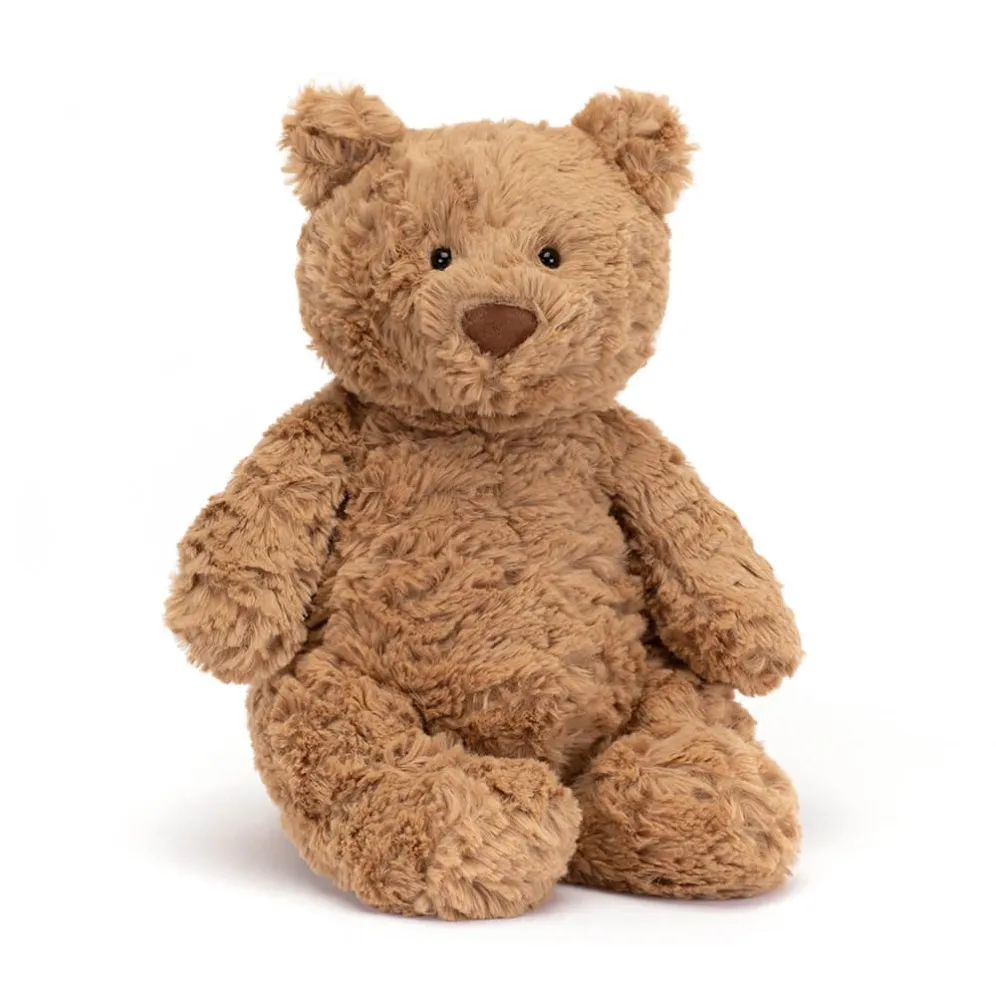
Look at where the ears meet the head. Check whether the arms sit evenly. Run a hand along the closing seam. Notice whether the embroidery lies neatly against the fabric.
These details are easy to miss in a product photograph, but they become obvious in person.
For our custom plush projects, we pay attention to:
- Pattern alignment, so the character’s proportions stay consistent.
- Seam finishing, especially around visible curves and joins.
- Facial placement, where small differences can change an expression.
- Embroidery finish, including neat edges and trimmed threads.
- Filling distribution, so the body feels balanced rather than lumpy.
This is where premium workmanship becomes tangible. It is a series of small decisions carried through the product.
A Good Sample Needs More Than One Viewing Angle
A front-facing photograph can hide quite a lot.
A character may look right from the front but feel too flat from the side. An ear may sit differently after the toy is handled. A long-pile fabric may partly cover an embroidered detail.
We use sampling to work through these issues before production.
Depending on the design, revisions might involve changing the head shape, adjusting a pattern panel, moving the eyes, or trying a different fabric. Specific feedback helps: “make the muzzle shorter” is easier to act on than “make it look more premium.”
Before production, the approved physical sample and agreed specifications establish the reference for the order.
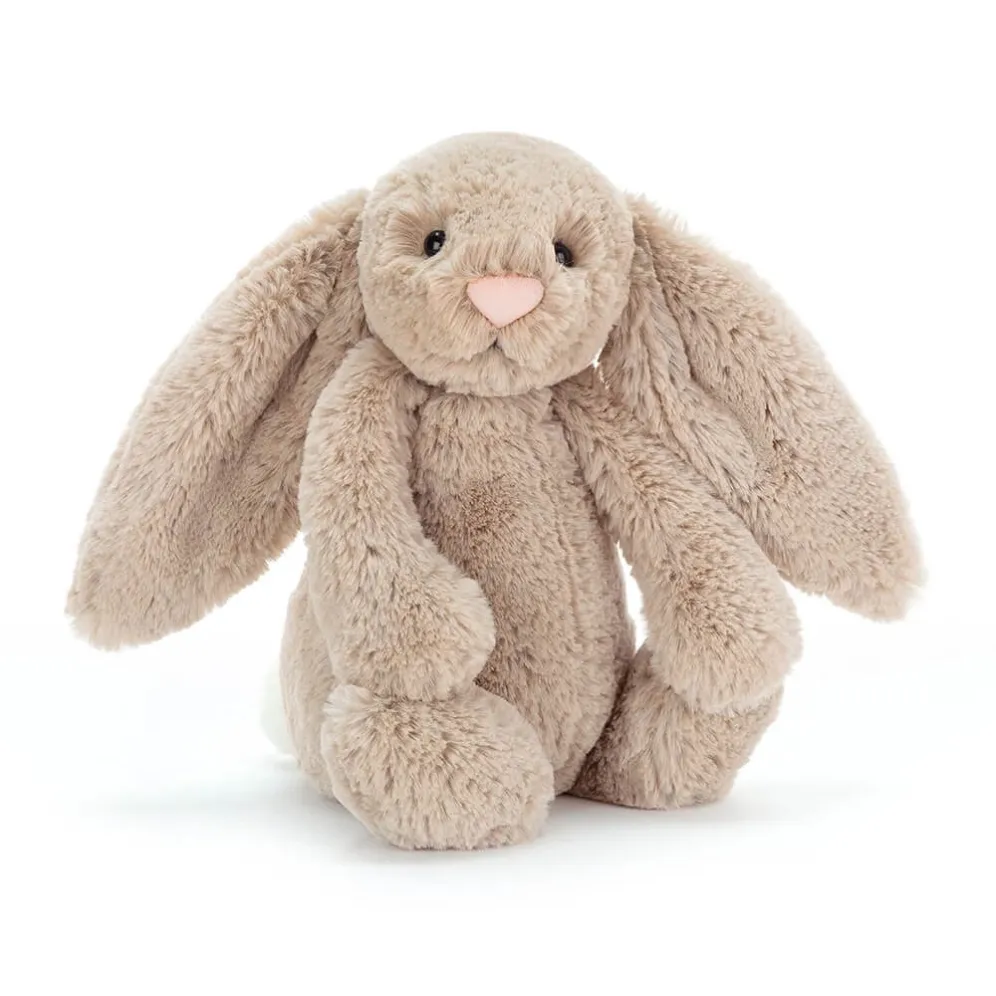
Can Fomecion Group Achieve a Jellycat-Level Feel and Finish?
Yes—we can work toward the level of softness and workmanship you associate with Jellycat while developing your own original character.
The most useful starting point is to tell us exactly what you like about a reference: the silky fabric, the relaxed body, the neat embroidery, or the way the toy holds its shape.
From there, we select suitable materials and refine the construction through sampling.
The final result depends on the design, size, materials, and budget. Rather than asking you to rely on a broad quality claim, we encourage you to assess the sample yourself: feel the fabric, inspect the seams, and compare the details against the agreed requirements.
Our focus is the quality of the finished product and the identity of your own brand.
Keeping That Finish Consistent in Production
An approved sample is the starting reference for production, not the end of quality control.
The finished order needs to be checked against the agreed materials, measurements, expression, construction, and packaging. Particular attention should go to the features that make the character recognizable.
For example, a small shift in eye placement can matter more to the appearance than a minor difference in body width. Identifying those important details early helps make inspection more useful.
Product safety requirements also need to be considered separately according to the intended age group and sales market. A soft feel and tidy stitching alone do not establish safety compliance.
Develop Your Own Premium Plush Collection
Jellycat offers a useful example of how character design and physical quality can work together. For your business, the opportunity is to create something people connect with under your own name.
Fomecion Group helps develop premium custom plush toys through material selection, sampling, refinement, production coordination, and shipping.
Send us your artwork, preferred size, estimated quantity, and any references for the feel or finish you want. We will help you turn those preferences into a clear development plan.